
Business Owners, Marketers, Head of Communications
Your 2026 PR Playbook

The digital landscape is a battlefield, and the whispers are growing louder: “Is PR dead?”
Amid the seismic shifts – AI-powered search engines summarising information, traditional advertising agencies grappling with relevance, media publications consolidating or shutting down, and content becoming decentralised – it’s a valid question. The days of simply churning out press releases and hoping for a journalist to pick them up are, indeed, fading.
But to claim PR is dead misunderstands its enduring purpose. PR isn’t dying; it’s undergoing a renaissance. The tools and tactics are changing, but the core objective – building and managing brand reputation – is more critical than ever.
This article will unpack four seismic shifts defining the PR landscape for 2026, revealing why mastering reputation, authentic authority, and storytelling is your brand’s competitive edge.
Key Trends for 2026
1. AI Search & The Authority Imperative
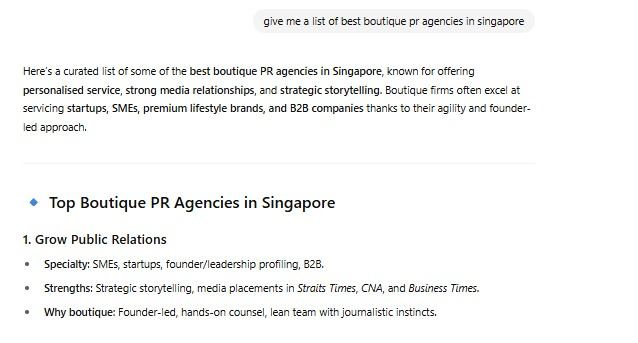
Why It’s Crucial for Brands: If your brand isn’t perceived as a leading, credible expert by these AI systems, you risk becoming invisible in the primary information retrieval pathways of 2026. This isn’t just a technical challenge; it’s a fundamental shift in perception for PR. The role of PR moves from simply driving website traffic to genuinely establishing categorical credibility and pervasive thought leadership across the web, making your brand a trusted reference point for AI.
Challenges:
-Brands must be diligent in ensuring the accuracy and verifiability of all information.
-To manage the risk of AI “hallucinations” or misinterpretations of your brand’s data, you must institute robust monitoring and prompt correction strategies.
What you need to do:
PR Strategy Shift: Shift the focus from simply securing mentions to implementing thought leadership campaigns that position brand leaders as experts who are widely cited by a wide spectrum of reputable sources. Traditional media continues to play a key role as a trusted information source.
Content Focus: Authoritative, well-researched materials establish the brand and its spokespeople as thought leaders, providing a reliable knowledge base that AI systems can reference and cite. To ensure relevance, continually update content to reflect the latest data, evolving audience questions, and fast-moving developments. Publish across authoritative channels and platforms, increasing the likelihood of citation by AIs trained on diverse, high-quality data.
Cross-Pollination: Ensure your brand’s authority is reflected across diverse formats beyond your website, like industry podcasts featuring your experts, webinars, guest columns in high-authority publications, and participation in expert panels – all touchpoints AI algorithms are likely to crawl. Example: A sustainability-focused food brand proactively positions its lead nutritionist as the expert on “regenerative agriculture benefits.” This involves placing articles in scientific journals, appearing on niche farming podcasts, and creating in-depth, cited content on their own blog, making them a go-to source for AI queries on the topic.
Today’s AI platforms scan news sites, social media, blogs, forums, and broadcast media with unmatched speed and accuracy. These systems deliver real-time analysis that helps PR teams respond to emerging trends or potential issues before they escalate. To mitigate the heightened risks of mis-information, establish a real-time brand monitoring system with “always-on” listening capabilities to track how AI platforms, search engines, and social media are presenting your brand’s information.
Stop wondering if AI knows your brand exists. Our proven PR framework transforms businesses into recognised authorities across different AI platform. Discover how we can position you as the expert AI trusts and recommends.
BOOK A DISCOVERY CALL
2. The Rise of “Brand-generated Content” & The Storytelling Deficit
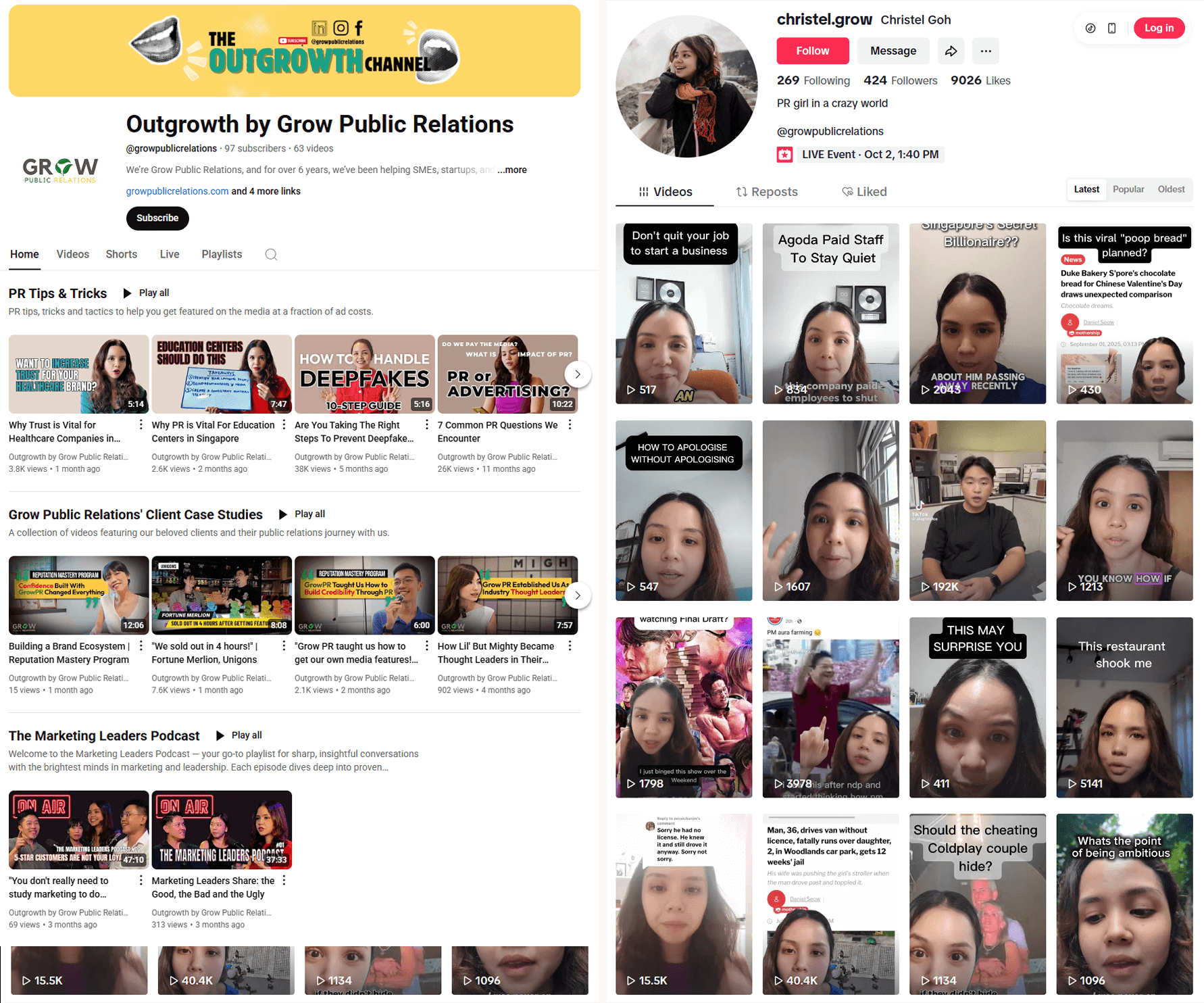
Why It’s Crucial for Brands: Consumers crave authenticity and connection; they want stories, not sales pitches. The problem arises when “Brand-generated Content” efforts fall flat. Many brands create content with an intention to sell, lacking compelling narratives. Worse, the proliferation of readily available AI content generation tools means too much branded content is becoming flat, purposeless, and indistinguishable from competitors – “plain vanilla” and uninspiring. PR is uniquely positioned to guide brands in crafting authentic, human-centric narratives that capture attention without trying to sell.
Consumers are 94% more likely to remain loyal to brands that build transparency into their business model. This loyalty comes from emotional connections created through authentic storytelling that shares not just wins but also challenges and values.
Challenges:
-
- Overcoming corporate risk aversion to authentic, raw storytelling can be difficult.
- Brands must maintain quality and genuine voice when scaling content production, and avoid the temptation to generate AI-based content without human oversight and unique insights.
What you need to do
PR teams must evolve from solely external pitching to providing strategic guidance for internal content creation. This involves helping brands identify and articulate their unique stories – their origin, customer impact, problem-solving journey, and behind-the-scenes culture.
Leverage AI for hyper-personalised targeting. Expect AI-driven content creation and distribution to deliver highly targeted narratives to individual consumers. This moves beyond segmentation to one-to-one communication.
Enhance storytelling with:
-
- Data. AI can analyse vast datasets to uncover insights and trends, enabling PR professionals to craft narratives that are backed by evidence and resonate with specific audience segments. PR professionals will become data translators, turning metrics into compelling human stories that drive both emotional connection and measurable business outcomes.
- Storytelling frameworks: Implement classic narrative structures (e.g., hero’s journey, problem/solution) for brand content, ensuring it resonates not just intellectually but emotionally. Content needs to be real and sometimes, unpredictable, just like real life.
- Internal Experts: Train internal subject matter experts to become relatable, engaging storytellers who can share complex ideas in an understandable and compelling way, rather than corporate jargon.
Example: Instead of a press release about a new product feature, an e-commerce brand could launch a short documentary series showcasing how its product solved a unique problem for a lesser-known community. This builds an emotional connection that sales pitches simply can’t, by shining a spotlight on the community they have impacted.
If your content sounds like everyone else’s, you’re already invisible. We transform corporate messaging into compelling human stories that audiences actually want to follow. Ready to evolve from brand broadcaster to trusted storyteller?
BOOK A DISCOVERY CALL
3. Integration with the Creator Economy
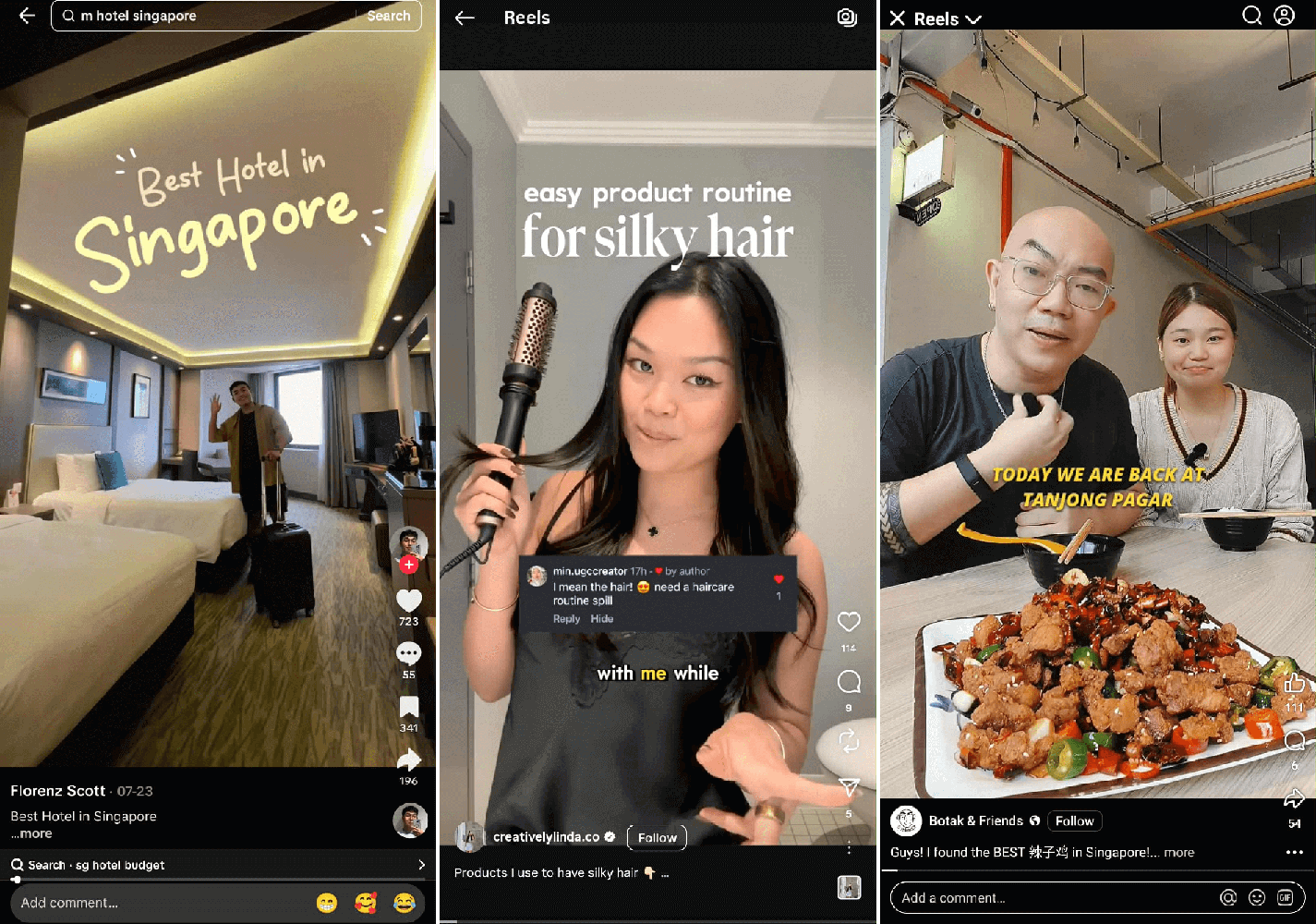
What It Is: The creator economy is exploding. Fueled by user-generated content (UGC), it’s a vibrant, attention-rich landscape where authentic voices build massive, engaged communities. User-generated content alone generated an estimated $185 billion in ad revenue in 2023 – significantly more than the journalism industry.
Consumer skepticism has shifted the focus in PR to authentic, transparent storytelling. Audiences now trust real voices and genuine user communities more than traditional celebrity endorsements. The 2023 Edelman Trust Barometer reveals 63% of consumers buy from or advocate for brands whose beliefs match their own.
Authenticity, honesty, and relatability make messaging more effective than polished perfection or fast-moving trends. Embracing imperfect, human stories builds stronger loyalty and trust, especially among younger audiences.
Why It’s Crucial for Brands: Audiences increasingly trust creators more than traditional advertisements or even some news outlets. Budget allocation is shifting dramatically towards creator distribution, making strategic engagement with this ecosystem non-optional. For PR, this means expanding beyond chasing traditional editorial mentions to proactively and strategically collaborating with credible, relevant creators to reach audiences where they are, filling content needs, and fueling narratives rather than competing for diminishing traditional media space.
Challenges:
-
- Ensure alignment between the creator’s values and brand ethics.
- Brands must manage disclosure rules.
- Authentic collaboration requires allowing for creative freedom, even while maintaining core brand messaging.
What you need to do:
Make creator partnerships a core, integrated pillar of your communications plan, not just a one-off campaign.
Media relations must pivot to include relationships with podcasters, YouTubers, Substack writers, and social community managers, not just journalists.
-
- Think beyond the press release to include multimedia press kits and ready-to-publish digital assets. Give creators unique angles and assets to work with, rather than repackaged press releases.
- Partnerships should be based on genuine alignment between the brand and influencer, with an emphasis on the creator’s resonance with the target demographic rather than follower counts alone.
- Co-create video content with industry-specific creators or those who double as subject-matter experts, bringing a high level of credibility and authentic engagement to complex topics.
- Vet creators with a questionnaire on ethical standards, past collaborations, and alignment on social and environmental issues before any partnership is established.
- Ensure that influencer partnerships are in accordance with the Advertising Standards Authority of Singapore regulations and guidelines under the Singapore Code of Advertising Practice. All influencer-marketing content must be clearly disclosed as sponsored, and both brands and influencers must comply with transparency, truthfulness, and decency standards in their content.
Showcase true stories from real people. Encourage your customers to share their own experiences with your products or services. User-generated content, like reviews, photos, and testimonials, builds trust and helps potential customers see authentic examples from real people. Showing how your products fit into real lives adds credibility and emotional resonance.
Measure the impact. Beyond traditional PR metrics, focus on engagement rates, reach within specific audience communities, sentiment, and direct conversions/attributions generated by creator content.
Example: A new sustainable fashion brand partners with a popular textile artist/designer on TikTok and YouTube, who shares the intricate process of how the brand’s eco-friendly fabric is made, incorporating the brand’s story into their own authentic content creation flow.
The smartest brands multiply their impact by combining traditional media with creator partnerships. We’ll show you how to build authentic partnerships that drive measurable results, not just vanity metrics.
BOOK A DISCOVERY CALL
4. Strategic Reputation Management in a Hyper-Transparent, Post-Truth World

What It Is: The core mission of PR has always been to build and protect reputation. This fundamental truth remains, but the environment in which it operates has become brutally transparent, unforgiving, and terrifyingly fast-paced. Every customer review, every social media post, every employee comment contributes to a brand’s public perception. A misstep can spiral into a global crisis within hours.
The proliferation of realistic synthetic media (deepfakes) poses further reputational risks. A deepfake of a CEO making a fabricated, inflammatory statement or a forged video of a company’s product failing catastrophically can go viral in minutes, causing immediate and severe damage to stock prices, consumer trust, and employee morale. Proactive monitoring, authentication technologies, and crisis communication plans are vital.
Why It’s Crucial for Brands: In an environment where nobody cares about your press release if it’s full of corporate jargon or lacks substance, reputation is built not by proclamations but by consistent action, authentic communication, and responsive engagement. It’s about continuous, proactive shaping of perception and cultivating trust in an era of deep skepticism.
Challenges:
-
-
Balancing transparency with protecting proprietary information is a delicate act.
-
Navigating “cancel culture” and the rapid spread of misinformation requires sophisticated and agile communication responses.
-
Maintaining ethical communication in a highly scrutinised environment is non-negotiable for long-term trust.
-
What you can do:
Implement advanced sentiment analysis tools that go beyond traditional media mentions to include real-time social listening, review sites, employee forums, and even potential dark web mentions, anticipating issues before they escalate.
Employee advocacy, internal culture, and transparency within the organisation are powerful external PR tools. An engaged, informed workforce can be your strongest brand ambassador. Regularly train the team on evolving digital risks, legal obligations, and new ethical scenarios arising from AI or new media environments.
Enhance crisis communications protocols Create a proactive crisis communications plan with protocols for rapid digital backlash, influencer missteps, and viral misinformation. Hold response drills regularly. The trend is moving toward predictive crisis intelligence – using AI to identify potential reputation threats before they surface, allowing for proactive narrative shaping rather than reactive damage control.
The most effective defense against a deepfake is a pre-existing reservoir of public trust. Brands that are consistently transparent, authentic, and purpose-driven will have a stronger “trust bank” to draw from. When a deepfake emerges, their audience will be more likely to question the synthetic media and trust the brand’s immediate denial, seeing it as an anomaly rather than a confirmation of prior suspicion.
Executive Visibility: Train and position leadership as accessible, empathetic, and transparent, particularly in times of scrutiny or industry-wide challenges. Their visible commitment to values builds immense trust.
Leverage third-party credibility: Cultivate long-term relationships with independent industry analysts, consumer advocates, and credible researchers whose objective insights can validate your brand’s claims and actions.
Example: A food delivery service, facing public concerns about food safety standards, implements a public dashboard showing real-time health inspection scores for all its partner restaurants, proactively addressing distrust through radical transparency.
Right now, someone could be posting about your brand. Do you even know what they’re saying? We implement the monitoring, protocols, and trust-building strategies that separate brands that survive from those that get buried by the next viral controversy. Your reputation can’t wait
BOOK A DISCOVERY CALL
Connecting the Dots

Successfully navigating the 2026 PR landscape requires an integrated approach. AI tools enhance our ability to identify authoritative voices and analyse creator content. Brand-as-media strategies become the very vehicle through which authority is built, which AI search then references. And robust creator collaborations significantly boost a brand’s reputation and audience trust. Successful PR in 2026 is about harmonising these interconnected elements.
The role of PR professionals must shift from “press release writer” to “strategic reputation architect,” “authority builder,” “storytelling consultant,” and “influencer relations lead.” Key skills for this transformation include data analysis, content strategy, ethical AI use, community building, and crisis anticipation.
The companies winning in 2026 won’t be the ones with the biggest PR budgets. They’ll be the ones who understood this shift first. Stop writing press releases nobody reads. Start building the multi-dimensional authority that AI respects and audiences trust. Let’s map out your transformation strategy.
BOOK A DISCOVERY CALL
Your Action Plan: Preparing for Tomorrow’s PR Landscape
Here are key strategies to implement:
- Invest in Authority: Identify your brand’s core areas of expertise and build cross-platform authority around them. This ensures your content is canonical and citable.
- Become a Media Brand: audit your content strategy. Is it compelling, human-centric, and story-driven, or is it merely sales-y or generic? Pivot to authentic narrative creation.
- Embrace Creators: Develop a strategic framework for authentic creator collaborations that extend your brand’s narrative and reach target audiences on their preferred platforms.
- Master Reputation Intelligence: Implement robust listening tools and internal protocols for proactive, real-time reputation management, anticipating issues before they become crises.
- Upskill Your Team: Prioritise continuous learning in AI tools and ethics, advanced data analytics, and multimedia storytelling techniques.
The future of PR demands agility, action, and a fearless embrace of new technologies and communication channels. Those willing to adapt, experiment, and lead with courage won’t just survive the future of PR—they’ll shape it.
BOOK A DISCOVERY CALL

© 2025 All Rights Reserved By GROW Public Relations
By Submitting Your Information And Contact Details, You Agree That We May Collect, Use And Disclose Your Personal Data As Provided In This Application Form Or (If Applicable) As Obtained By Our Organisation As A Result Of Your Membership, For The Following Purposes In Accordance With The Personal Data Protection Act 2012 And Our Data Protection Policy